The Direct Relationship 02 - Sport
What Sport Can Learn From the Creator Economy
Last year, we wrote about what brands could learn from content creators. At the heart of it was a fairly simple idea: some of the world's most successful creators had stopped thinking only about how to grow an audience on somebody else's platform, and started thinking about what they could build around that audience themselves.
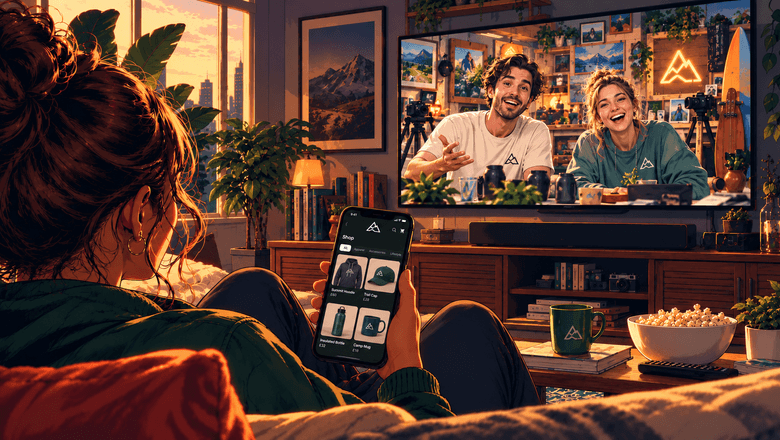
Since then, we've had the opportunity to put much more of that thinking into practice, most recently working with Dude Perfect to create a new website and membership app for their enormous global fanbase.
And it's got us thinking about another world where audiences don't simply follow. A world in which audiences truly feel that they belong...
Sport.
Sport already has what creators want
Creators spend years trying to build the kind of loyalty most sports organisations inherit.
Football and rugby supporters don't generally wake up one morning and decide to switch allegiance because another club has a better Instagram account. Tennis fans travel across countries to watch their favourite players. Supporters buy shirts, subscribe to services, watch interviews, debate team selections, attend events and introduce their children to the same teams their parents introduced to them.
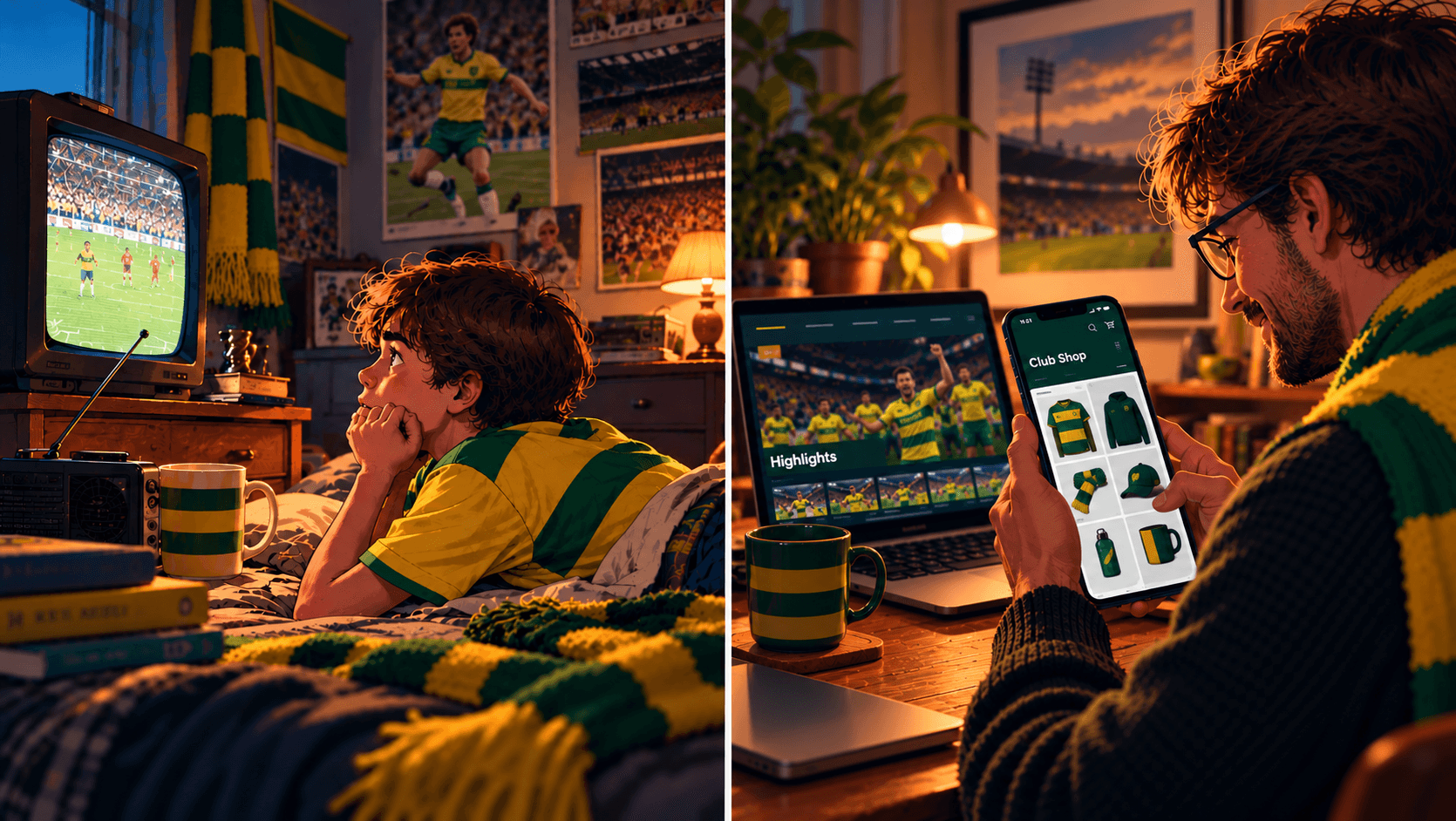
As a football fan growing up on the terraces of 1980s away stadiums, I can confirm this to be true. A young lad with a yellow and green scarf, walking cautiously through the territory of the Reds... trust me, I know.
It's the sort of engagement most brands would give their right arm for but, while sport has built extraordinary communities in the physical world, the digital relationship can be surprisingly fragmented. A supporter might read news on one platform, buy a ticket through another, watch video somewhere else, visit a separate online shop and have different accounts scattered across several of them.
To the supporter, though, they're not having five different relationships. They're supporting their club.

Creators have had to think differently
The creator economy started from almost the opposite position.
YouTube, Instagram, TikTok and other platforms gave creators extraordinary tools for finding and growing audiences. But those audiences ultimately existed on platforms somebody else owned, governed by algorithms the creators didn't control.
So some of the biggest creator brands began building destinations of their own.
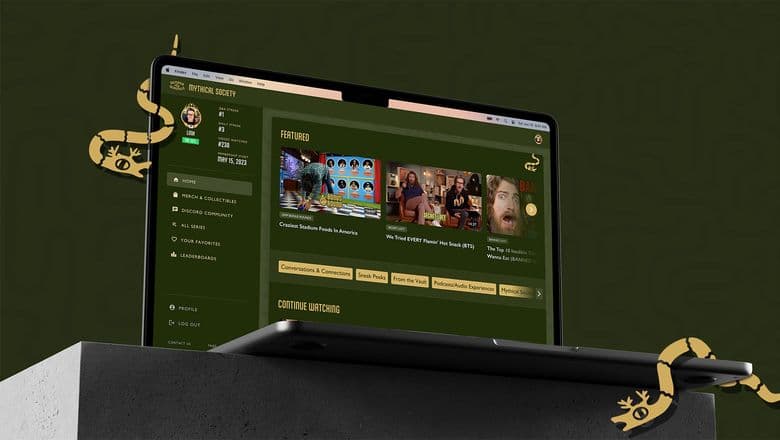
Rhett & Link built Mythical Society. Critical Role created Beacon. And Dude Perfect has now launched a new digital home bringing together content, community, membership and exclusive experiences.
Working with Dude Perfect has given us a fascinating view of what happens when a huge online audience becomes a direct digital community. Fans can watch content, participate in competitions and polls, build streaks, climb leaderboards, save favourites and access member experiences. More importantly, those aren't isolated features bolted onto a video platform. They're different parts of the same relationship.
There's something in that thinking that feels particularly relevant to sport.
The event is only the beginning
For a football or rugby club, the match will always be the centre of gravity. For tennis, it might be a tournament or a particular player taking to the court. But the relationship doesn't disappear when the final whistle blows or the players walk off court.
There are days, weeks and sometimes months between the moments that traditionally define a sport. Those spaces are filled with news, video, interviews, statistics, archive content, tickets, merchandise, competitions, rewards, events and conversation.
Creators understand this instinctively because they've never had the luxury of a fixture list. They have to continually give their audience reasons to return.
Sport has the content. It has the personalities. It has the stories and, most importantly, it has the audience.
The opportunity is to connect them.
One fan, many relationships
There's another important difference between sport and the creator economy: sports fandom is complicated.
Someone can support the same football club for 50 years while following their national team, watching another league, subscribing to a particular broadcaster and having favourite players elsewhere.
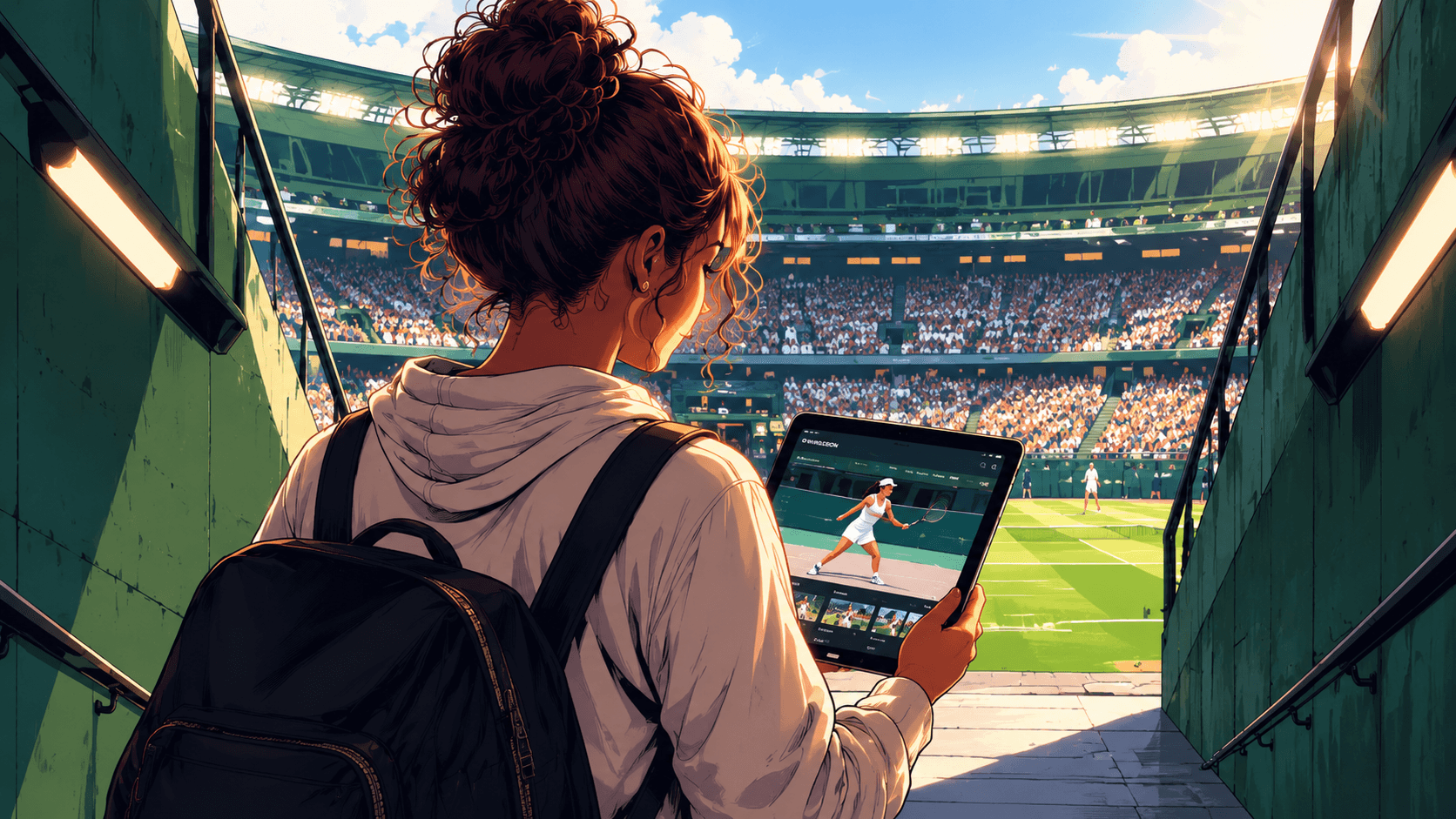
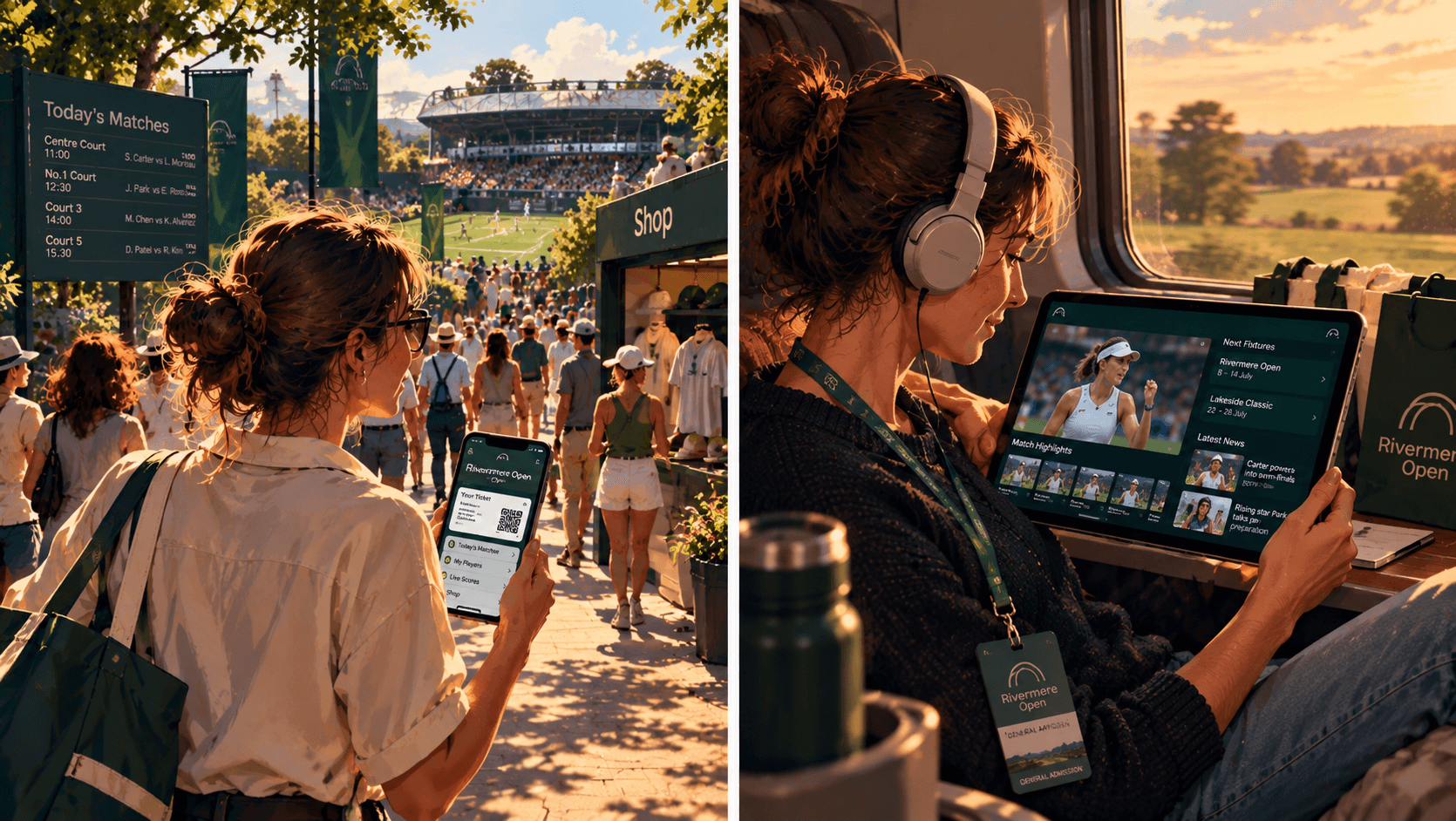
Tennis is more complicated still. A fan might follow a player, a tournament, their country and the wider sport simultaneously. Their interest changes throughout a season and the experience they want at Wimbledon might be very different from the one they want during the Davis Cup.
That makes understanding the individual increasingly important.
Not simply knowing that somebody bought a ticket or watched a video, but gradually understanding what they're interested in, how they interact and what might genuinely be useful to them next.
Done well, first-party data shouldn't make the experience feel more like marketing. It should make it feel more like being known.
Direct-to-Fan doesn't mean doing everything yourself
This is where we think the phrase Direct-to-Fan can sometimes be misunderstood. It doesn't mean abandoning YouTube, Instagram, broadcasters, ticketing providers or any of the specialist platforms that make modern sport work. Those channels are enormously valuable, and many are very good at the particular jobs they perform. The opportunity is to stop allowing those individual systems to define the supporter experience.
A club or sporting organisation can still use specialist services for ticketing, e-commerce, streaming, CRM and plenty more, while creating a digital experience that connects them around the person using them.
The clever bit isn't replacing everything. It's making the joins disappear.
From audience to community - and back again
When we first wrote about the creator economy, we were looking at what conventional brands could learn from people who had become exceptionally good at building audiences. Sport presents an interesting reversal.
Clubs, competitions and governing bodies already have something many creators would love to possess: history, identity, ritual, belonging and communities that can span generations. The opportunity isn't to make sport behave more like social media. Nor is it to turn every supporter interaction into another opportunity to sell something. Frankly, fans get enough of that already. It's to learn from the way the best creators have started thinking beyond reach and towards relationships.
Creators have spent years learning how to turn followers into fans. Sport has spent generations turning fans into communities.
The next opportunity for both is to make those relationships truly direct.
Our Blogs
Still here? Check these out!