The Direct Relationship 05 - Music
What Independent Music Can Learn From the Creator Economy
There's something rather wonderful about independent record labels. Some have been responsible for entire musical movements. Others have championed artists that nobody else quite understood, built extraordinary catalogues and developed identities that mean almost as much to their audiences as the music itself.
For certain music fans (hmmm… me!), the label on the back of a record sleeve can be a recommendation in its own right. You might not know the artist, but you know the label. And that's enough to make you curious. It's a level of trust and loyalty that most brands would spend an extraordinary amount of money trying to create.
Yet there's an interesting contradiction at the heart of the modern independent music industry. Labels have spent decades protecting their creative freedom, their artists and their rights, while much of the relationship with their audiences now takes place on platforms they don't control.
Which raises an interesting question. What does independence really mean when somebody else owns so much of the relationship with your fans?

The music industry has always understood ownership
In the first four parts of The Direct Relationship, we've explored what brands, sport and hospitality can learn from the creator economy, and why membership should mean more than another recurring payment.
Music feels like a particularly natural place to take that conversation next, after all, independent labels have been thinking about ownership for generations. Ownership of recordings, publishing rights, creative decisions and the freedom to develop artists without necessarily following the commercial priorities of a major corporation. But ownership of the relationship with the audience is a slightly different proposition.
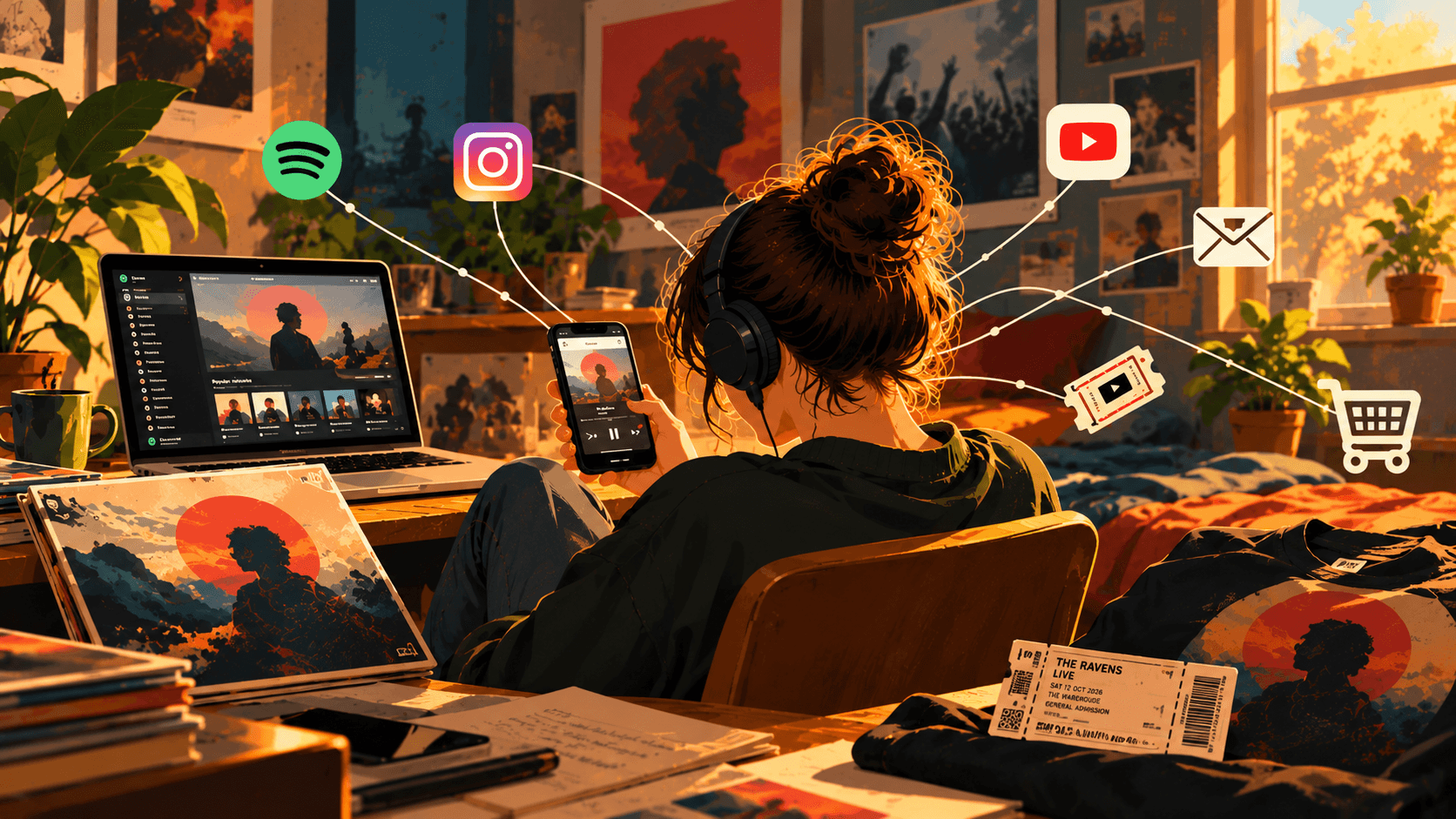
An artist might have millions of monthly listeners on Spotify, an enormous following on Instagram, thousands of subscribers on YouTube and a healthy mailing list. Their merchandise might be sold through one platform, their tickets through another and their physical releases through a separate store.
Each of those services might be doing its job extremely well, but from the fan's perspective, they're not having six different relationships. They're following an artist they love, and that's where things become interesting.
The audience is everywhere. The relationship is fragmented.
Music discovery has changed enormously over the past twenty years. We once discovered artists through radio, magazines, record shops, friends and the occasional television appearance. Those things still matter, but today an artist might be discovered through a fifteen-second video, recommended by an algorithm or encountered in a playlist alongside dozens of musicians from entirely different genres.
These platforms have created extraordinary opportunities for independent artists and labels to reach audiences that might once have been inaccessible. We certainly wouldn't suggest abandoning them.
Spotify, YouTube, Apple Music, TikTok and the wider digital ecosystem are enormously valuable for discovery and distribution. For many independent musicians, they've helped remove barriers that once made reaching a global audience almost impossible - bBut discovery and relationship aren't quite the same thing.
Someone listening to a track doesn't necessarily know the story behind it, the label that released it or the wider collection of artists they might enjoy. They may never discover that the musician is touring nearby, that there's a limited vinyl edition available or that an archive of live performances exists somewhere else.
The information is out there. The experiences exist. They just aren't necessarily connected.
Independent labels already have something special
Think about labels such as Beggars Group, whose family includes 4AD, Matador, Rough Trade, XL Recordings and Young. Each has developed a distinctive identity, catalogue and relationship with music fans.
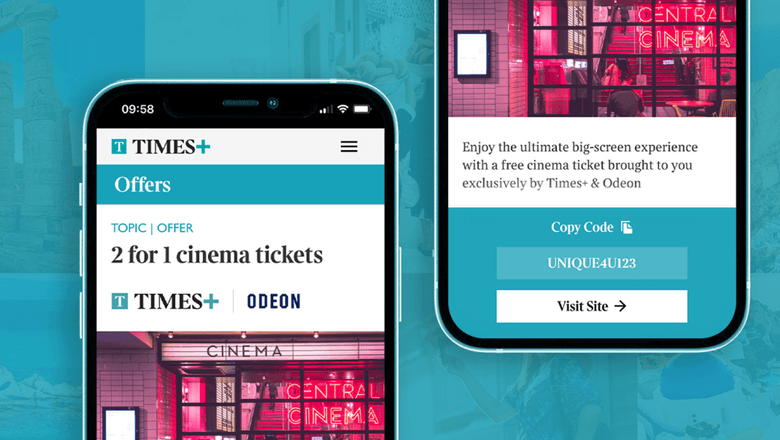
Or Third Man Records, where Jack White and his team have created something that extends well beyond releasing music. Third Man has physical record shops, live performances, distinctive vinyl releases and The Vault, a membership programme offering exclusive records and other benefits.
It's a particularly interesting example because the relationship isn't defined by a single transaction. Fans aren't simply purchasing another album. They're buying into a world that has its own personality, culture and sense of belonging. There's a reason people respond to that. Music has always been about more than the recording itself.
It's the first gig you attended. The album you played endlessly at university. The record shop where somebody recommended something you'd never heard before. The T-shirt you bought at a concert twenty years ago and still refuse to throw away. Those experiences accumulate into something much bigger than a playlist.
The best independent labels already understand that instinctively. The opportunity is to explore how digital experiences can support it.
A record is only the beginning
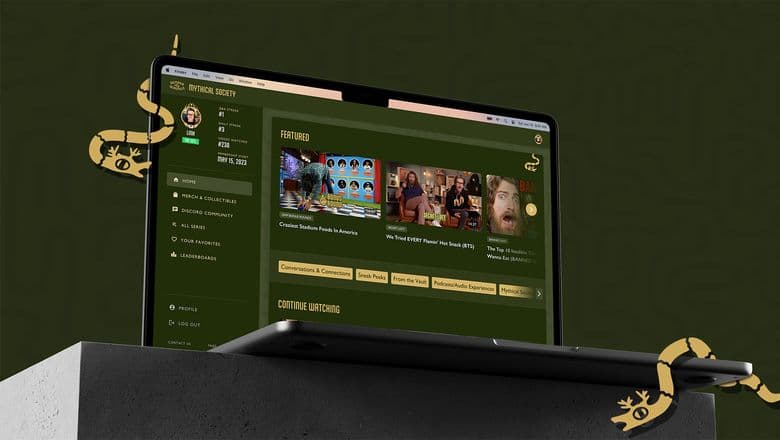
This is where our experience working with creator brands becomes particularly relevant. At Clock, we've worked with Rhett & Link's Mythical Society, Critical Role's Beacon and, most recently, Dude Perfect, helping build digital experiences that bring audiences closer to the personalities, content and communities they care about.
These businesses began from different places, but they share something important. They recognise that the content itself doesn't have to be the entire relationship.
A video can lead to a conversation, a competition, an exclusive experience, a piece of merchandise or a reason to return tomorrow. Membership can bring those things together in a way that feels like participation rather than simply another subscription. Music has enormous potential to do something similar.
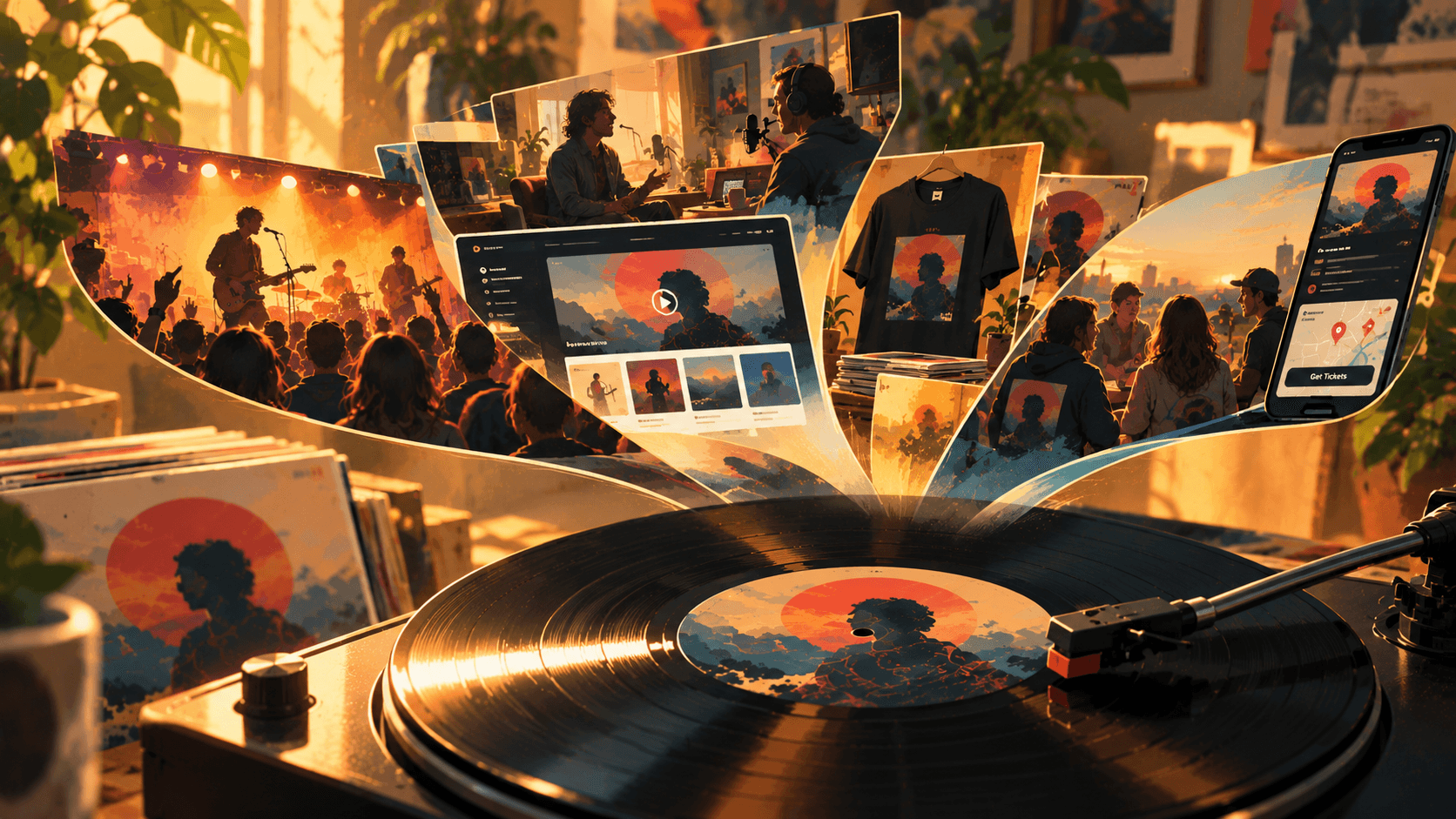
Imagine discovering an artist through a streaming service, then visiting their label's website to explore the story behind an album. You find a live recording, an interview with the producer and a limited vinyl edition. You discover that the artist is performing nearby, save the date and receive early access to tickets. Perhaps you explore other artists on the label, discover a collaboration you hadn't heard before or find an upcoming release that fits your tastes.
None of this requires replacing the streaming service that introduced you to the music. It simply gives the relationship somewhere to develop. And, importantly, it gives the artist and label a more direct understanding of the people who genuinely want to hear from them.

The label could become a destination again
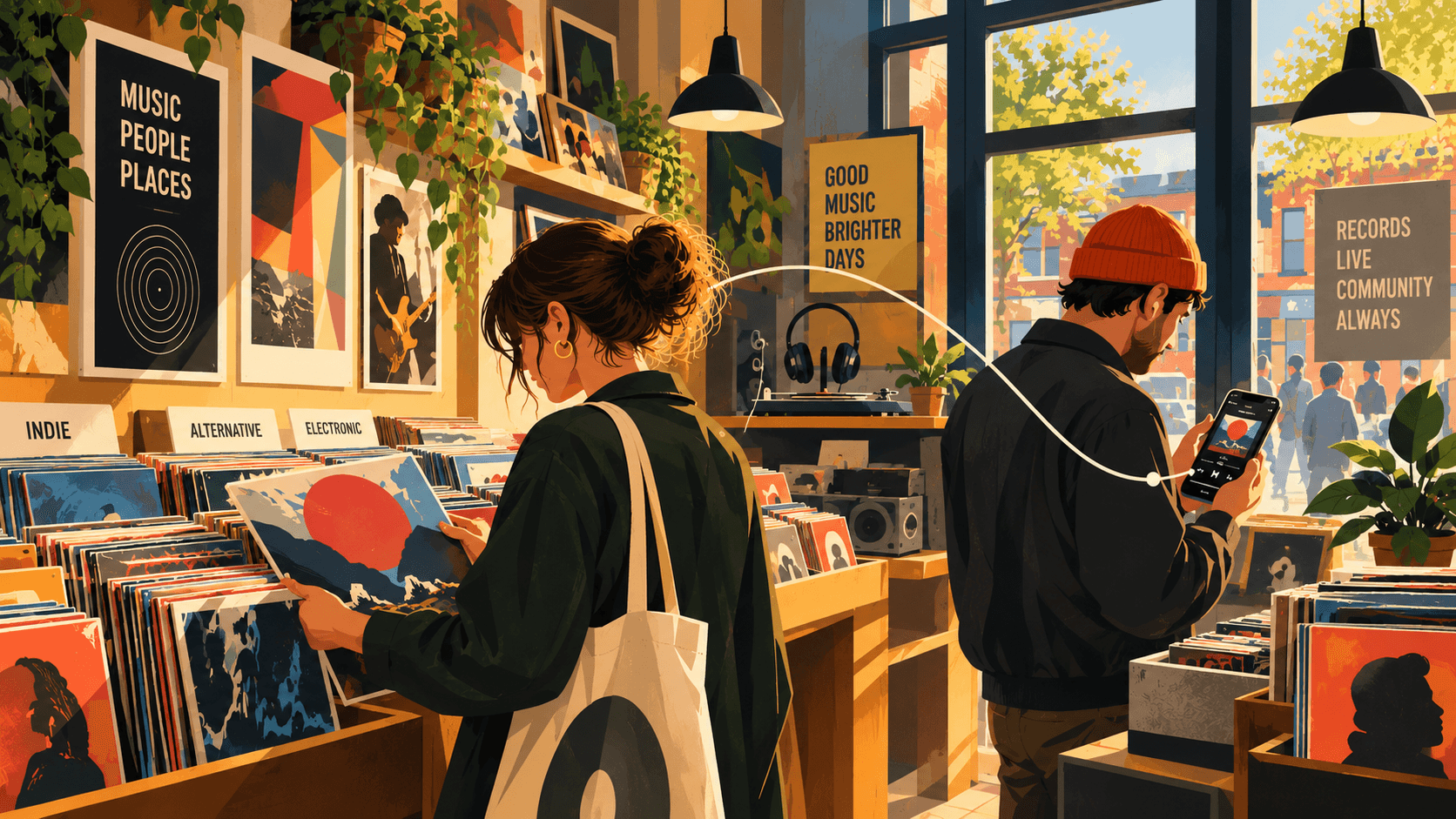
There's an interesting parallel here with the traditional record shop. A good independent record shop was never simply a place to complete a transaction. It was somewhere to browse, discover, ask questions, follow recommendations and occasionally spend considerably more money than you'd intended.
The shop had personality. The people behind the counter had opinions. The experience encouraged discovery. Digital music services have become extraordinarily good at providing access to almost everything, almost instantly. But there's still room for something more curated and personal.
An independent label's digital home could become a destination for discovering its artists, exploring its catalogue, watching performances, reading stories, accessing exclusive releases and connecting with the wider culture around the music. For some labels, that might mean a richer editorial and ecommerce experience. For others, it could extend into membership, events, podcasts, video, limited editions or artist communities. Not every label needs all of those things and not every music fan wants to join another membership scheme. Sometimes we just want to buy a record, listen to it and get on with our lives.
The opportunity isn't to manufacture engagement for its own sake - it's to recognise where genuine interest already exists and create something worthwhile around it.
Independent doesn't mean doing everything yourself
There's a danger that conversations about direct relationships can sound like an argument for replacing every existing platform with something proprietary. That isn't what we're suggesting.
Bandcamp, for example, has already demonstrated how valuable a more direct relationship between artists and fans can be. It provides a place for music discovery, physical and digital sales, artist communication and fan support. For many independent musicians, that may be precisely the right solution.
Similarly, specialist platforms for ticketing, distribution, ecommerce, payments and fulfilment exist for good reasons. Many are exceptionally good at what they do. The opportunity isn't necessarily to replace them - it's to connect them.
A label might continue using established services to distribute music, sell tickets and fulfil merchandise, while developing a more coherent experience around its artists and audiences.
A fan shouldn't need to understand which company manages the ticketing system, which service handles the vinyl order or where their membership information is stored. They just want to enjoy the music and everything around it. The technology can be complicated behind the scenes. The relationship shouldn't feel that way.
Who owns the fan relationship?
There's another important dimension to this conversation, particularly for independent labels. The relationship between an artist, their label and their fans is not always straightforward.
A fan might follow an artist for decades, long after they've moved between labels. They may love a particular label but only follow a handful of its musicians. They might attend concerts, collect records and subscribe to an artist's newsletter without ever wanting a relationship with the company that releases their music. That distinction matters.
A direct digital strategy shouldn't simply replace one intermediary with another, or assume that a label automatically owns the relationship between an artist and their audience, and it should create value for everyone involved.
For artists, that might mean better ways to reach and understand their audiences, promote their work and develop new commercial opportunities. For labels, it could mean stronger connections across their catalogues, more effective direct sales and a clearer understanding of what fans actually value.
And for fans, it should mean better experiences, more relevant recommendations, easier access to the things they care about and greater opportunities to support the musicians they love.
Done well, the relationship becomes more valuable to all three. That seems like a much healthier ambition than simply collecting another email address.
From independent music to independent relationships
There's a wider commercial argument here too. Independent music businesses compete in an industry where discovery, distribution, attention and commerce are increasingly influenced by enormous technology platforms. Those platforms aren't necessarily the enemy. In many cases, they've created opportunities that simply wouldn't have existed otherwise.
Relying entirely on somebody else's platform to maintain a relationship with your audience introduces risks. Algorithms change. Commercial terms evolve. Platforms rise and fall. Access to audiences can become more expensive, and the information available about those audiences may be limited. A direct relationship doesn't eliminate those challenges, but it can create greater resilience. It allows music businesses to develop experiences that reflect their own identities, understand what their audiences genuinely value and build commercial opportunities that aren't entirely dependent on somebody else's priorities.
There's something rather fitting about that for an industry built on independence. The same spirit that encouraged labels to establish their own identities, champion their own artists and create their own futures can extend into the digital experience.
Not by withdrawing from the wider music ecosystem, but by ensuring that the relationships they build within it have somewhere of their own to grow.
The next chapter of independence
Across this series, we've kept returning to a similar idea. Creators have audiences. Sports organisations have supporters. Hotels have guests. Membership organisations have members.
Independent music has something particularly powerful: fans who build lifelong emotional connections with artists, recordings, labels and the culture around them.
The challenge isn't creating that connection. Much of it already exists. The opportunity is to bring the different parts of the experience together, creating more meaningful relationships between the music, the people who make it and the people who love it.
That might involve better content discovery, connected commerce, live experiences, membership or simply a more thoughtful way of communicating with fans. It doesn't require every label to become a technology company, or every artist to launch their own digital platform. It requires thinking beyond individual transactions and distribution channels, towards the relationship that connects them.
Independent music has spent generations demonstrating that artists and labels don't have to surrender their identity to succeed. Perhaps the next opportunity is to make the relationship with their audience just as independent.
Our Blogs
Still here? Check these out!