The Direct Relationship 03 - Hospitality
What the Hospitality Industry Can Learn From the Creator Economy
In the first two parts of The Direct Relationship, we've looked at what brands can learn from content creators, and what sport can learn from the creator economy.
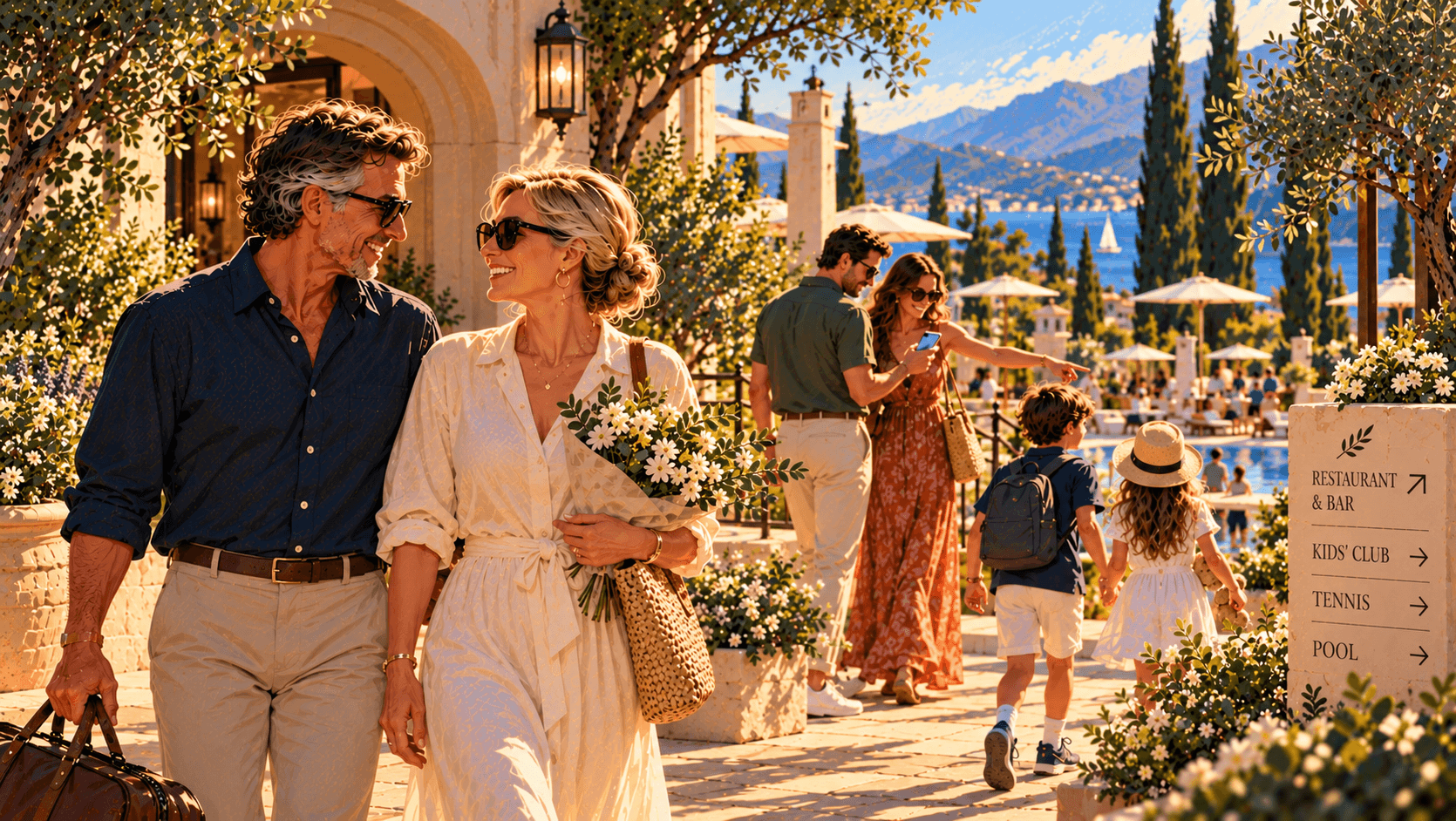
Hospitality might seem like quite a leap from Dude Perfect or a packed football stadium. But the more you look at it, the more familiar the challenge becomes. Hotels and resorts already create incredibly strong relationships with their guests. We remember the places where we spent our honeymoon, celebrated a birthday, disappeared for a weekend or took the kids every summer. We have favourite hotels, favourite rooms and, occasionally, a favourite table in the bar.
Yet digitally, those relationships can be surprisingly shallow.
The booking isn't the relationship
For many hospitality brands, the digital journey is still built primarily around one event: the booking. Search. Choose a room. Pay. Receive confirmation. Arrive. Stay. Leave. Perhaps an email arrives a few weeks later offering 15% off another visit. It's efficient, but it doesn't really reflect what hospitality is about. A good hotel doesn't treat you like a transaction when you walk through the door. The best ones remember you, understand why you're there and make the experience feel effortless.
So why should the digital experience be any different?
One guest, lots of systems
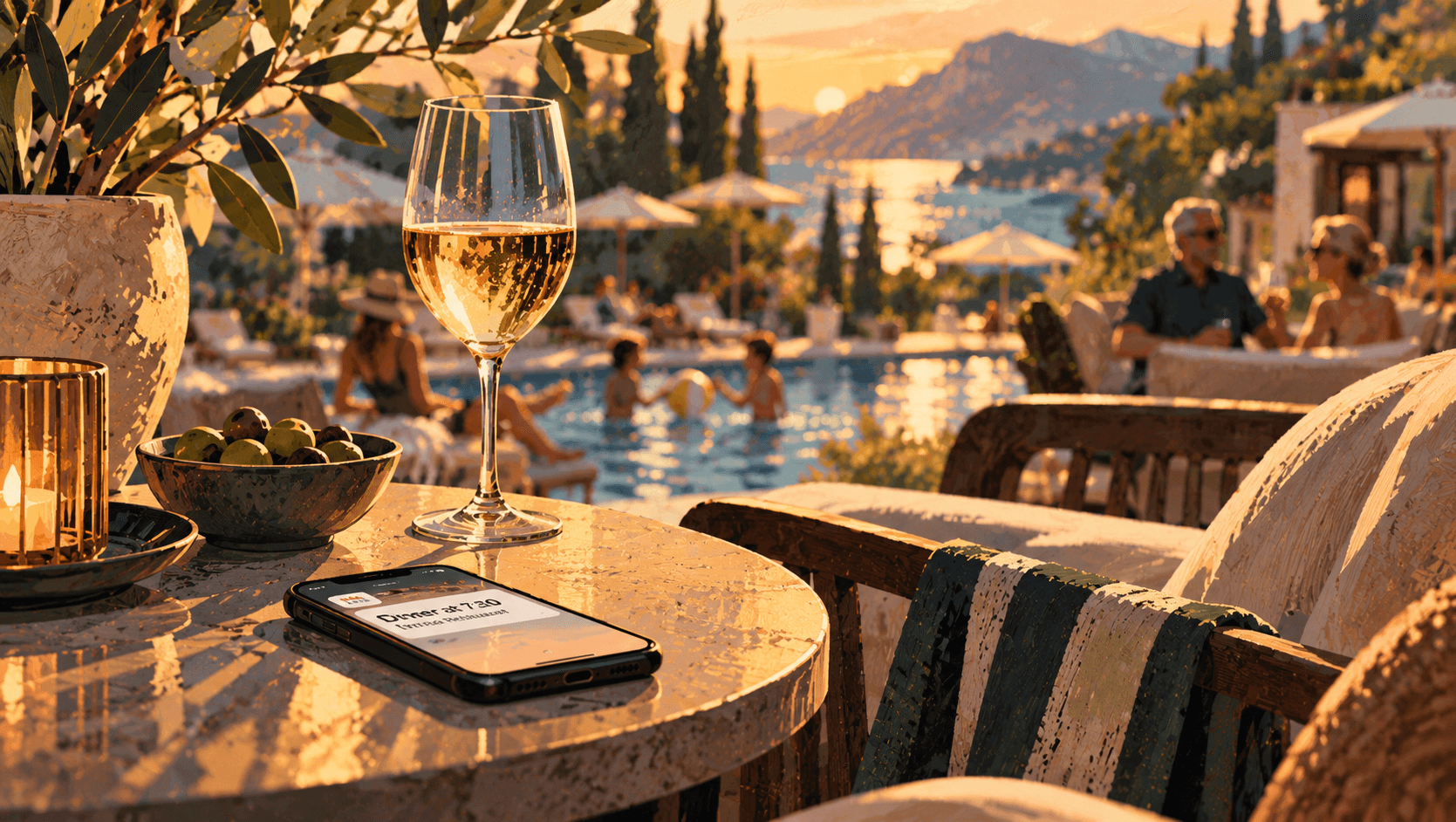
Imagine you're spending a weekend at a resort. You've booked a room through the website. Dinner might be handled through another booking system. The spa uses something else. Golf or activities might have their own platform. Your loyalty membership lives somewhere else again. Then there's email, offers, room preferences, payments, customer service and whatever happens after you've checked out.
From an operational perspective, there may be perfectly good reasons for all of those systems to exist. From the guest's perspective, though, they're doing one thing.
They're staying with you.
This is very similar to the problem we've been exploring in sport. A supporter doesn't think they're simultaneously a ticketing customer, streaming subscriber, ecommerce customer and CRM record. They're supporting their club.
A guest doesn't want to understand the technology stack behind their weekend away either. They just want the weekend away.
Direct doesn't mean doing everything yourself
This is where the same Direct-to-Fan thinking we've applied elsewhere becomes useful in hospitality. It doesn't mean ripping out every booking engine, restaurant platform, spa system, CRM or payment provider and building them again. In fact, please don't.
Specialist platforms exist for good reasons and many are extremely good at what they do. The opportunity is to stop making the guest experience mirror the organisational and technical boundaries behind it.
The hotel can have ten systems. The guest should feel like they're using one. That's a very different ambition from simply building another hotel app.
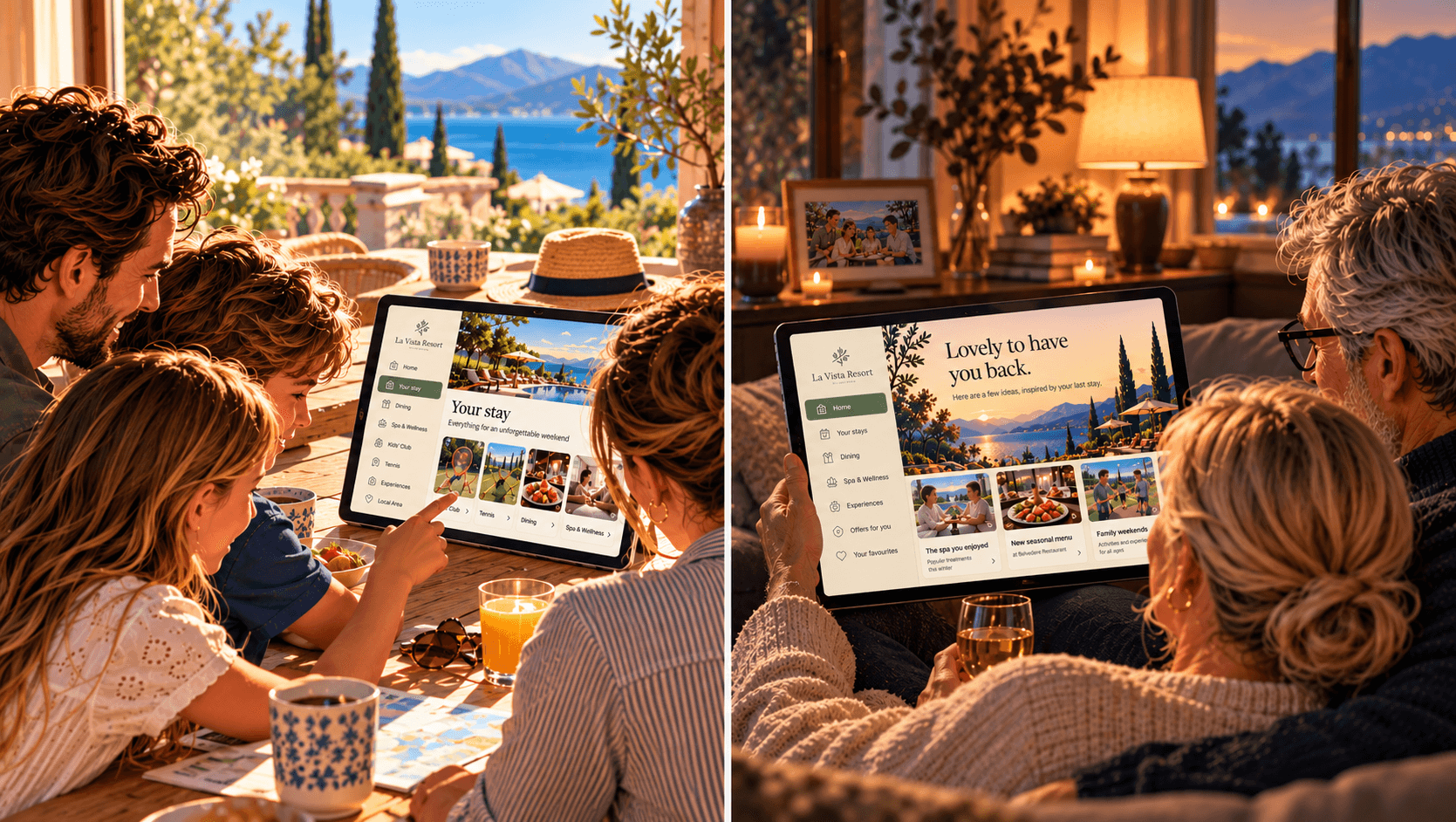
Before check-in. After checkout.
There's another lesson hospitality can take from the creator economy: the main event doesn't have to define the entire relationship. For a creator, publishing a video can be the beginning of the interaction rather than the end. Community, conversation, membership, merchandise and exclusive experiences give people reasons to remain connected between those moments.
Hospitality has a similar opportunity.
Once I've booked a weekend away, the relationship doesn't need to disappear until the day before I arrive. Help me discover the restaurant. Let me book the spa. Show me what's happening nearby. Remember that we're travelling with children. Let me save something for Saturday afternoon. Tell me the restaurant has a table available at the time I usually eat.
Then, once I've gone home, don't immediately revert to treating me as an email address on a mailing list. If I loved the spa, that tells you something. If we travelled as a family, that tells you something too. If we always visit in December, prefer a particular type of room or spend more time in the restaurant than the gym, those interactions can gradually make the next experience more useful.
Not because every piece of information needs to trigger another sales message, but because being remembered is part of good hospitality.
The experience starts before the experience
Hospitality brands spend a lot of time creating reasons for people to care. Brand agencies shape the proposition. PR agencies tell stories and create moments people want to be part of. Marketing teams build campaigns, partnerships, content and offers designed to turn awareness into consideration. Quite often, all that work eventually leads to the same place.
Book now.
There's nothing wrong with wanting the booking. But it can feel like an oddly abrupt ending to some very good marketing. What if the digital experience could carry more of the idea? A campaign around food could lead into restaurant experiences, chef content, events and priority bookings. A wellness proposition could connect spa treatments, classes, membership and recommendations. A family campaign could become a personalised guide to what to do before and during a stay.
The campaign creates the interest. The digital product gives that interest somewhere to go. And importantly, the relationship doesn't have to disappear when the campaign ends.
Brand, marketing and product should feed each other
This is where things get particularly interesting for us. We don't think the answer is for technology companies to start pretending they're PR agencies, or for creative agencies to suddenly become software businesses.
The better opportunity is collaboration.
A brand or communications agency might understand the audience, shape the proposition and create the campaigns that bring people into the relationship. A product partner can design and build the digital experience that sits behind it - connecting identity, membership, booking, content, rewards, personalisation and the specialist systems the hospitality business already relies on. Once those things work together, each starts making the other more valuable.
A campaign can create a new member rather than another anonymous visitor. The product can learn what guests actually engage with. Those insights can shape the next proposition, campaign or piece of content. That brings people back into the experience and creates more useful insight again. Campaign creates interest. Product creates relationship. Relationship creates insight. Insight makes the next campaign better. That's a much healthier cycle than continually paying to reacquire people who already know and like the brand. It also makes the role of the agency more interesting. Instead of being responsible only for attracting people towards an experience, there's an opportunity to help shape how that relationship develops over months and years.
The best hospitality brands have more to talk about than rooms
This is perhaps where hospitality becomes especially exciting. A resort isn't really selling a bed. It might be selling golf, food, spa, family time, weddings, events, countryside, culture, escapism or simply two days in which somebody else makes breakfast. That creates an enormous canvas for brand and communications teams. The digital experience can become the place those stories accumulate rather than disappear. Content, experiences, recommendations, events, member benefits and partnerships can all give guests genuine reasons to engage when they aren't actively looking for somewhere to stay. That doesn't mean endlessly manufacturing "engagement". Nobody needs a push notification from a hotel they've stayed at once telling them it's National Towel Day. It means recognising that the relationship between a hospitality brand and its best customers can be considerably richer than stay - leave - discount email - stay again.
Loyalty should mean more than points
Hospitality has understood loyalty for a long time, but digital loyalty can still become surprisingly transactional.
Stay ten nights. Collect points. Reach a tier. Get a discount.
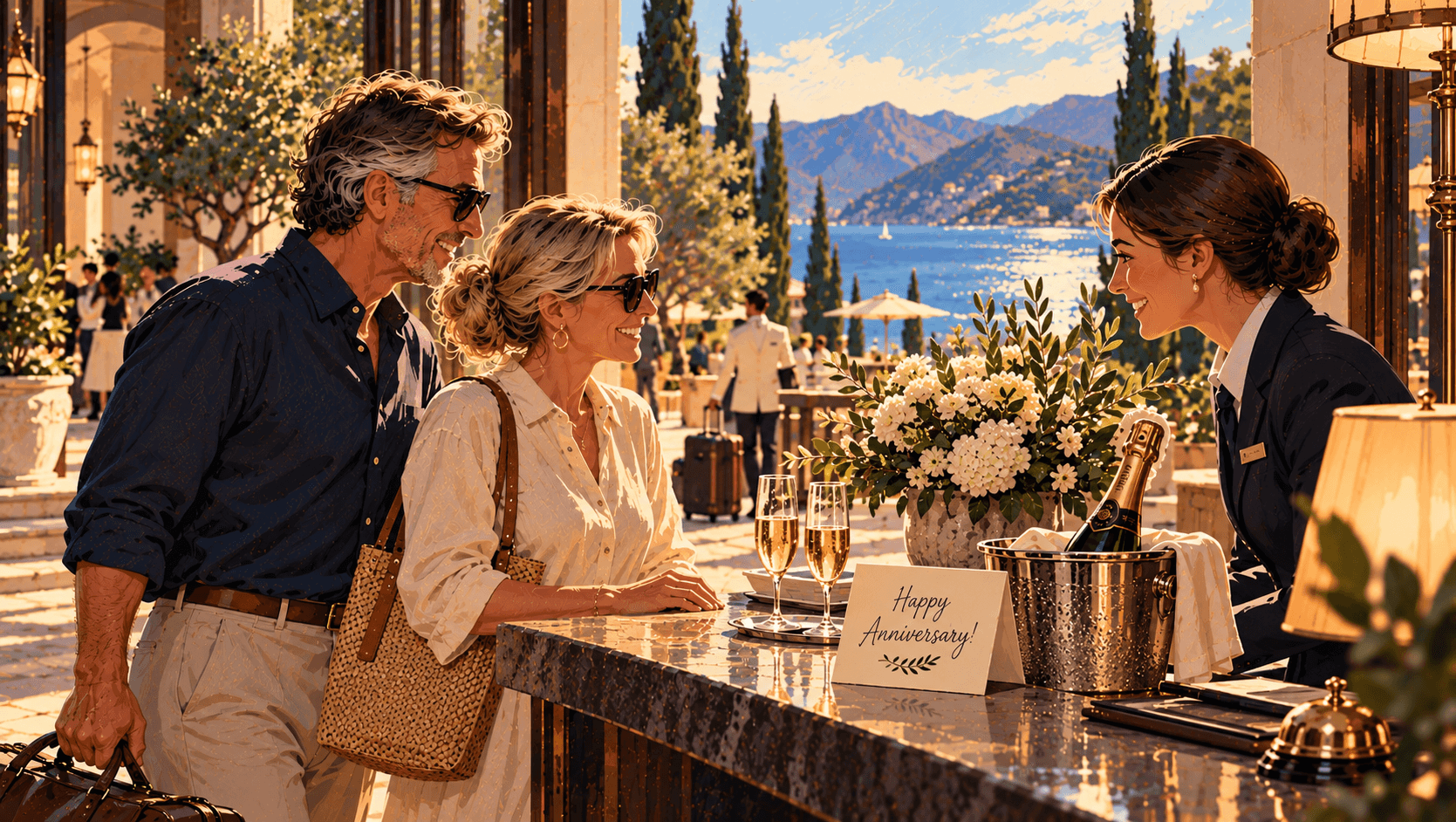
There's nothing inherently wrong with that. But the best hospitality experiences have always understood loyalty in a much more human way. It's recognition. It's arriving somewhere and feeling that they know you. A connected digital relationship can extend that recognition beyond reception. Membership might unlock experiences, recommendations, priority access, events or benefits that are genuinely relevant to the individual. The interesting question becomes less "How do we get this guest to book again?" and more "How do we give them a reason to want to?"
That's a subtle distinction, but an important one.

The experience doesn't belong to the booking engine
There's also a commercial reason this matters. Hotels spend enormous amounts of time, money and energy attracting guests, yet the relationship can easily become mediated by other platforms. Those platforms play an important role. They help people discover places and make booking convenient, just as YouTube helps creators find audiences and social platforms help sports organisations reach supporters. The mistake is assuming that discovery and relationship are the same thing.
They're not.
Third-party platforms can be brilliant at bringing somebody to you. The opportunity is to make the experience good enough that, once they've arrived, they want a direct relationship with the brand itself. That relationship might include booking, but it can also include membership, experiences, dining, content, recommendations, events, rewards and recognition. The booking becomes part of the relationship rather than the definition of it.
From heads in beds to people
There's an uncomfortable phrase that crops up in hospitality: heads in beds. Commercially, of course, occupancy matters. Rooms need filling. But nobody wants to feel like a head in a bed.
The most interesting opportunity for hospitality technology isn't simply making it easier to sell another room. It's helping hospitality businesses recognise the person who occupies it - and perhaps that's the bigger opportunity for agencies too.
Brand, PR, marketing and technology have often been commissioned as separate activities. But from the customer's perspective, there isn't a brand experience, a campaign experience and a digital product experience. There's just the experience.
Bringing those disciplines together doesn't mean one agency needs to do everything. Quite the opposite. It creates an opportunity for specialists to work together around a shared customer relationship, each doing the bit they're genuinely good at. That's where this series keeps arriving, regardless of the industry we're talking about.
Creators have followers. Sports organisations have supporters. Hotels have guests. The terminology changes, but the opportunity is remarkably consistent: understand the individual, connect the experiences around them and build a relationship that isn't entirely dependent on somebody else's platform. Hospitality has spent generations learning how to make people feel welcome when they arrive.
The next opportunity is making them feel recognised before they get there - and remembered after they've left.
Our Blogs
Still here? Check these out!