The Direct Relationship 04 - Membership

Membership Is More Than a Monthly Payment
There's an interesting thing happening with membership. Almost everyone seems to want one.
Streaming services have subscribers. Retailers have loyalty programmes. Sports clubs have season ticket holders. Hotels have rewards schemes. Publishers have digital memberships. Even your local coffee shop probably has an app that would quite like to know your birthday. Some of these are genuinely valuable. Others are little more than a discount wrapped in a login screen. That raises a question we've been thinking about quite a lot at Clock, particularly through our work with creator brands and their communities.
When does a customer become a member, and what makes that membership worth keeping?
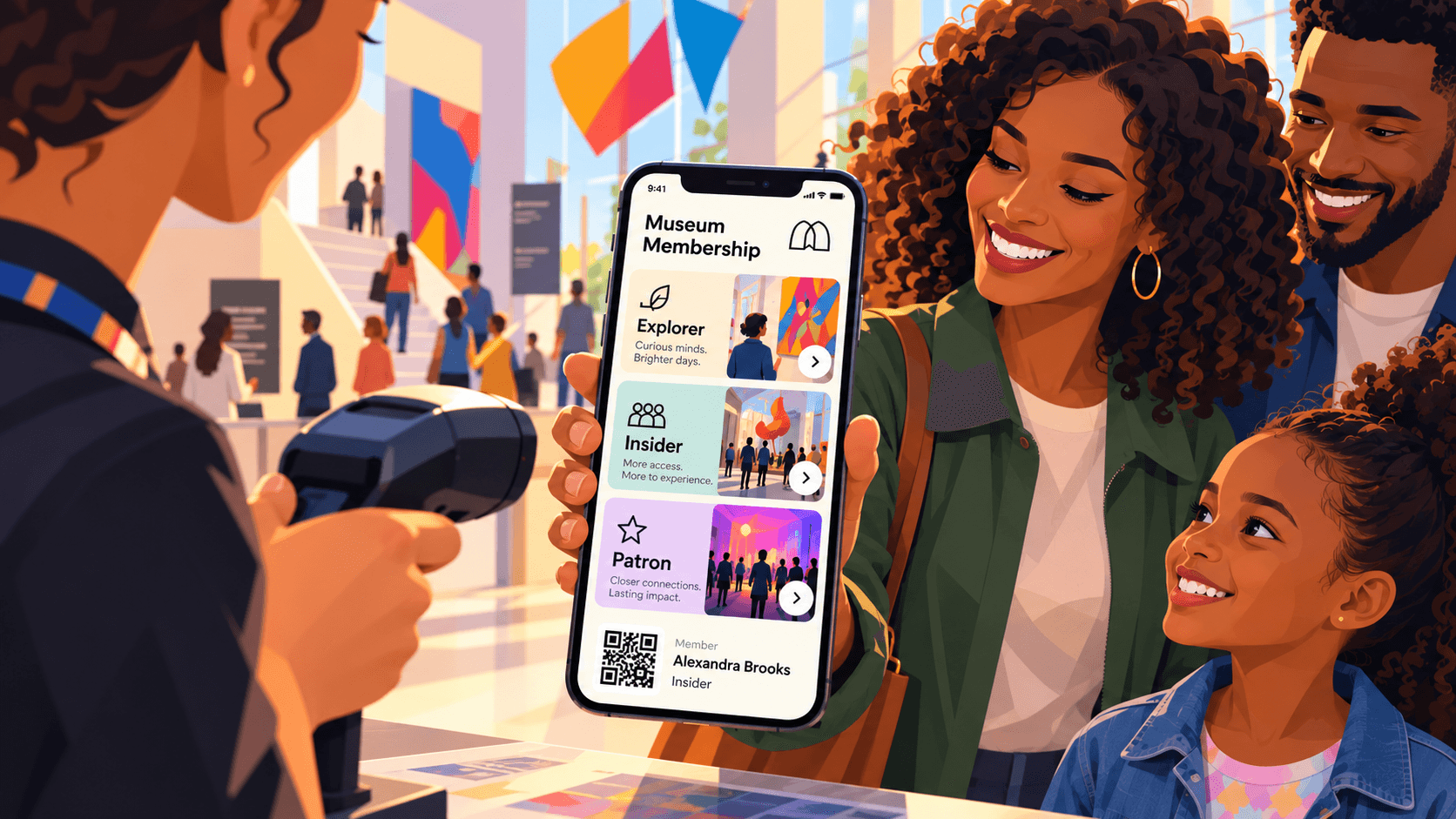
Paying for access isn't the same as belonging
A subscription is fundamentally a transaction. You pay something, regularly, and receive something in return. That might be access to a video library, a monthly delivery, discounted products or a service you use every day. There's absolutely nothing wrong with that. Recurring revenue is valuable to businesses, and predictable access to something useful is valuable to customers. But membership suggests something more.
Think about the difference between subscribing to a television service and being a member of a club. With the television service, the relationship is largely defined by what you can watch. With the club, there's a sense of participation, identity and belonging that exists beyond any individual benefit.
You might attend events, meet people, participate in decisions, access experiences that aren't available elsewhere or simply feel that you're part of something. That distinction matters because it changes the question a business should be asking.
Instead of what can we put behind a paywall, perhaps the more interesting question is what can we create that people genuinely want to be part of?
Creators have been getting this right for years
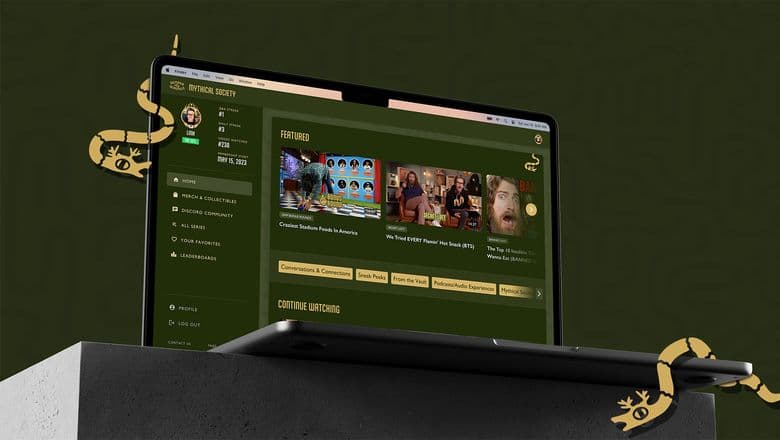
One of the reasons we've spent so much time exploring the creator economy is that some of its biggest names understand this distinction remarkably well. Take Rhett & Link's Mythical Society. Or Critical Role's Beacon. Both have grown around audiences with an extraordinary connection to the personalities, stories and worlds they follow. These aren't simply people looking for another video subscription. They're fans who want to get closer to something they already care about.
We've had the opportunity to work with both communities, as well as helping Dude Perfect build a new digital home for its enormous global fanbase. The experiences are different, but there's a common thread running through them. Exclusive content is part of the proposition, certainly, but so are participation, discovery, community and the feeling that being a member offers something meaningfully different.
With Dude Perfect, for example, the experience brings together video, competitions, polls, personalised recommendations, favourites, daily streaks, leaderboards and membership benefits. Individually, these are features. Together, they help create reasons for fans to return, participate and build a relationship with the brand beyond the next video. This is where membership becomes particularly interesting.

The value exchange has to work both ways
Businesses understandably like membership because it promises recurring revenue, greater customer understanding and more opportunities to build long-term relationships. Members, however, aren't particularly interested in helping you improve your customer lifetime value. They want something worthwhile. That might mean exclusive access, genuinely useful benefits, recognition, convenience, a sense of participation or the opportunity to connect with people who share their interests. Ideally, it means several of those things working together. The mistake is to assume that putting a collection of existing benefits into three pricing tiers automatically creates a compelling membership proposition.
Bronze, Silver and Gold might look rather lovely on a presentation slide, but the names themselves don't give anyone a reason to care. The value needs to be apparent in the experience, not just in the marketing. And crucially, it needs to remain apparent after somebody has joined.
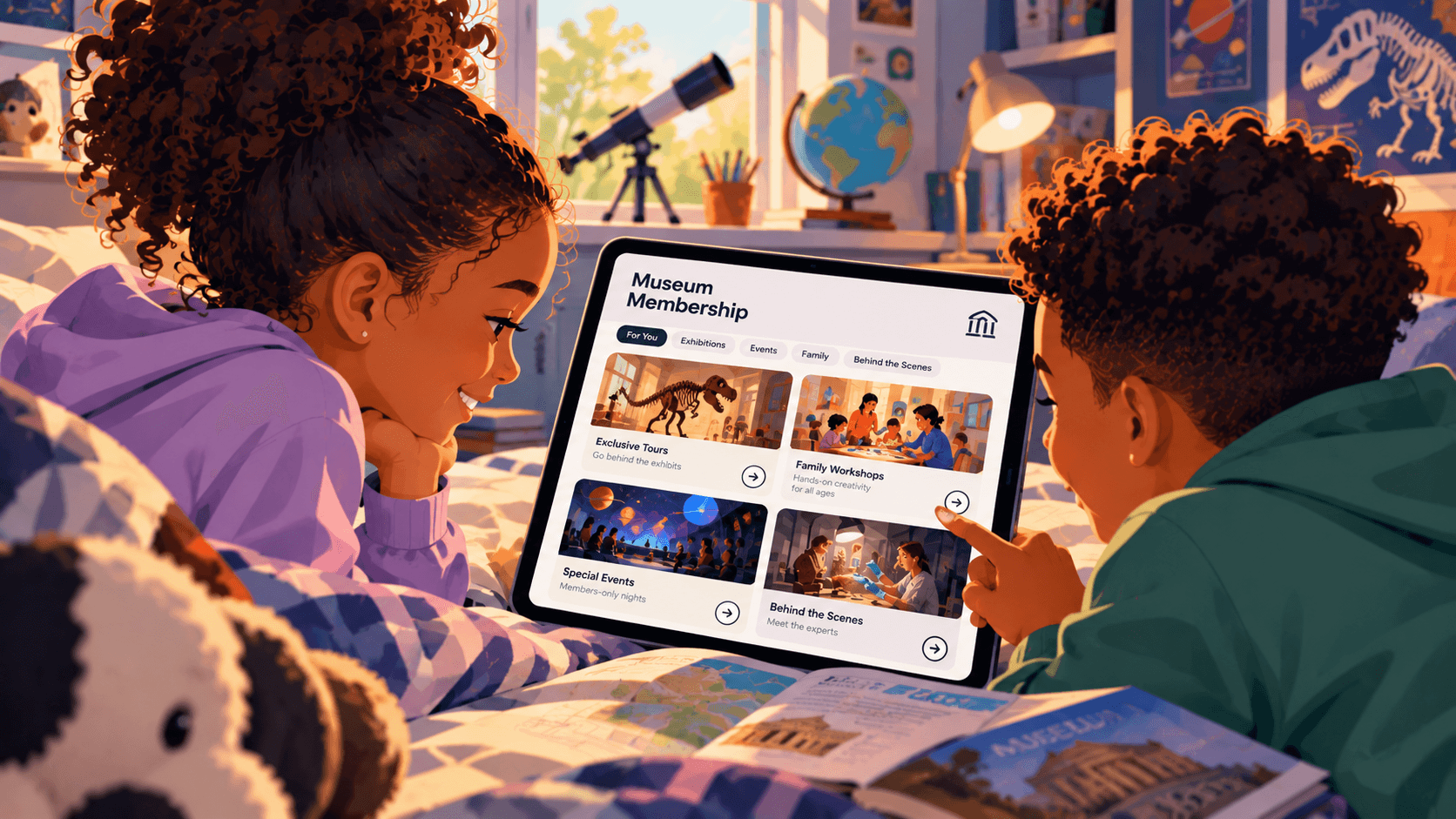
The relationship shouldn't peak at sign-up
A surprising number of digital membership experiences put enormous effort into acquisition and comparatively little into what happens afterwards. The joining journey is polished. The benefits are attractively presented. The welcome email arrives. And then, rather too often, not much happens.
The member is left to discover the value for themselves, navigating separate websites, emails, apps and account areas to work out what they've actually paid for. We've discussed this problem in previous articles about sport and hospitality, and membership brings it into particularly sharp focus.
A good digital experience should understand where someone is in their relationship with an organisation. A new member might need an introduction to what's available. Someone who's been involved for years might appreciate recognition, relevant recommendations or early access to something they genuinely care about.
For a sports organisation, that could mean connecting tickets, content, merchandise and exclusive experiences. For a hotel group, it might mean remembering preferences and making a returning guest feel recognised. For a creator, it could mean connecting content discovery, community participation and membership rewards.
Different industries, different benefits, but the underlying principle is remarkably similar.
Membership should become more valuable as the relationship develops, not simply renew every month.
Not everything needs to be exclusive
There's another trap worth avoiding: assuming that membership only works when you put more and more things behind a paywall. Exclusivity can be valuable, but it isn't the only way to create a sense of belonging. In some cases, it can actually work against the community you're trying to build.
A thriving fan community needs ways for new people to discover it. A sports club needs casual supporters as well as lifelong season ticket holders. A creator needs content that reaches new audiences as well as experiences designed for their most committed fans. The trick is to create a natural progression between those relationships.
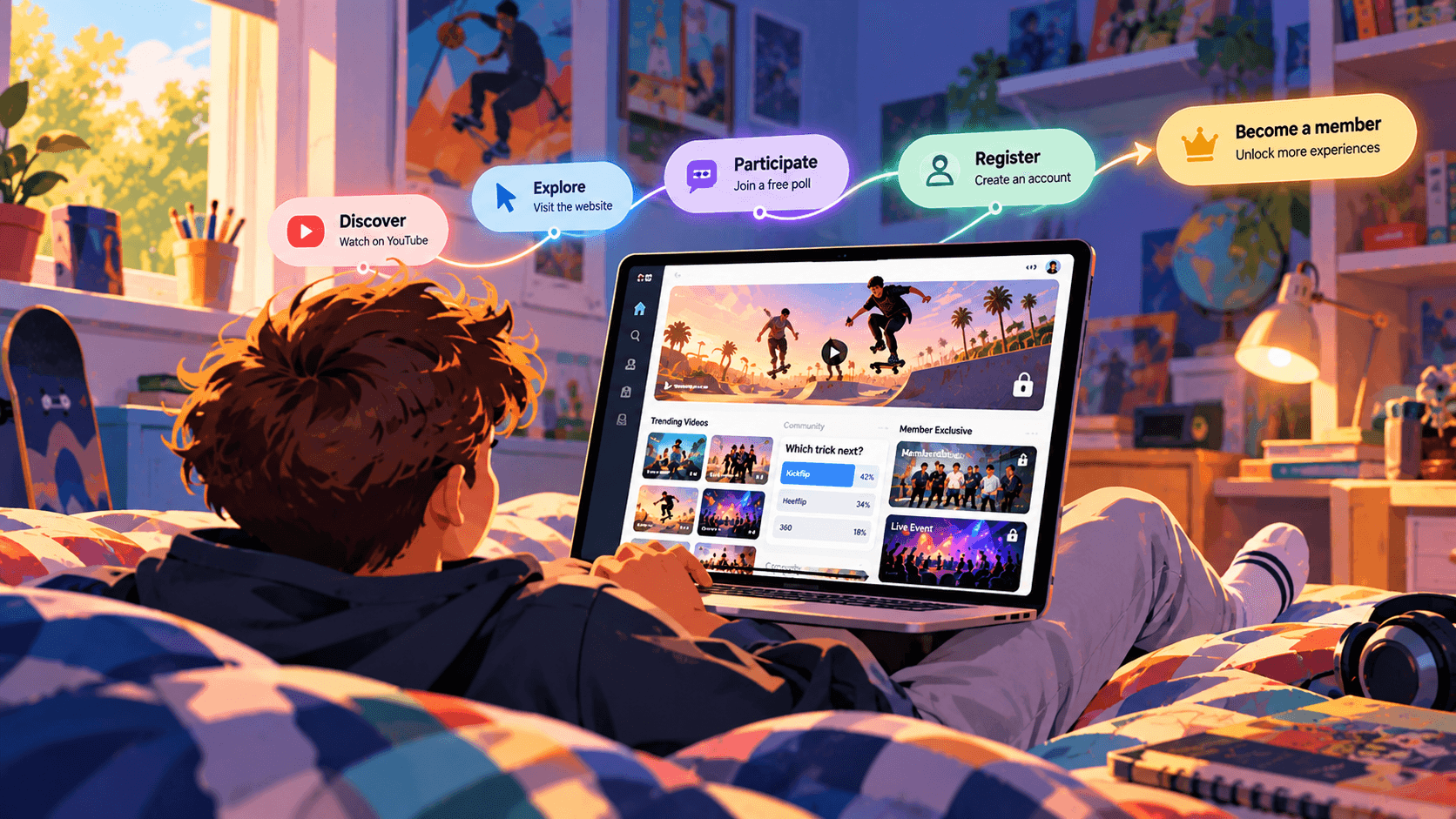
Someone might discover a creator through YouTube, explore their website, participate in a free poll, register for an account and eventually decide that a paid membership offers something worthwhile. None of those stages needs to invalidate the others. In fact, the strongest membership ecosystems often make the free experience genuinely good, while giving people compelling reasons to become more involved. That's a rather healthier proposition than deliberately making the free experience frustrating enough that somebody eventually pays to escape it.
Technology should support the membership, not define it
Of course, delivering all of this becomes more complicated when the underlying services are disconnected. Content might live in one system, payments in another, customer data somewhere else and community features on a separate platform entirely. That doesn't necessarily mean those systems need replacing. Specialist technology is often very good at the job it was designed to do. What matters is whether the experience feels connected to the member. Can someone manage their account easily? Do their preferences carry across different experiences? Can they discover the benefits available to them? Does the organisation understand their relationship without asking them to start again every time they interact?
At Clock, this is where we see the real opportunity for thoughtfully designed digital platforms. Not simply building another membership portal, but creating an experience that brings content, commerce, community and specialist services together around the individual. The technology might be complicated behind the scenes. The relationship shouldn't feel that way.

From customers to members, and members to advocates
Across this series, we've explored how brands can learn from creators, how sport can strengthen its relationships with supporters and how hospitality can build experiences that extend beyond the booking. Membership sits at the intersection of all three. It's an opportunity to recognise that the most valuable relationships aren't necessarily the ones that produce the next transaction. They're the ones that give people a reason to return, participate and feel connected.
That doesn't mean every organisation needs a paid membership scheme. Nor does it mean every customer wants to become part of a community. Sometimes people really do just want to buy a coffee without joining anything, and that's perfectly reasonable. Where there's already genuine interest, affinity or belonging, there's an opportunity to build something much more meaningful than another recurring payment.
Because a subscription gives someone access to something. A great membership gives them a reason to stay.
Our Blogs
Still here? Check these out!